Source Hand Made Eva Plush Slippers for Indoor Travel Spa
Compare 30 listings of hand made eva plush slippers featuring plush uppers and anti-slip soles. Buyers can evaluate customization options, seasonal suitability, and packing details for hotel, travel, and indoor use applications; compare the available evidence and request quotations based on your requirements.
Key considerations
Products List








Comprehensive Sourcing Guide
Hand Made Eva Plush Slippers Sourcing Guide
Sourcing hand-made EVA plush slippers requires a nuanced understanding of material compatibility and manufacturing constraints. These products typically combine soft, plush uppers with durable EVA soles, offering a balance of comfort and longevity. Buyers must recognize that "hand-made" often refers to specific assembly steps, such as attaching the sole or finishing edges, rather than the entire production process. This distinction impacts quality control protocols and labor cost structures significantly.
The market for these slippers spans various sectors, including hospitality, spa services, and retail. While some listings indicate disposable options, others emphasize non-disposable, reusable designs suitable for indoor hotel rooms or travel. Understanding the intended use case is critical, as it dictates the required durability of the EVA sole and the plush material's resistance to wear. Procurement teams should align their specifications with the end-user environment to avoid mismatches in product performance and lifecycle expectations.
Product Scope and Observed Listing Signals
Current market listings reveal a diverse range of models, including identifiers like LB-1012, LB-1066, and MCCV20, indicating varied design iterations. Observed price points range from $0.30 to $8.50 USD, reflecting differences in material quality, customization levels, and order volumes. Minimum order quantities (MOQs) vary widely from single pairs to 2,000 units, suggesting flexibility for both sample testing and bulk procurement. Buyers should analyze these signals to determine the appropriate supplier tier for their specific volume requirements.
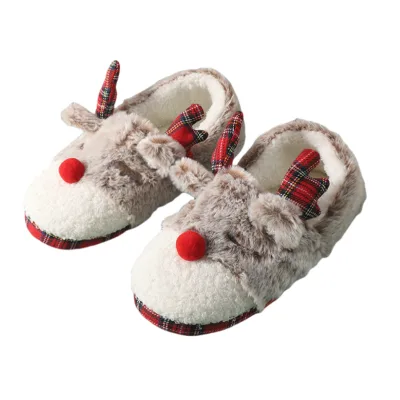
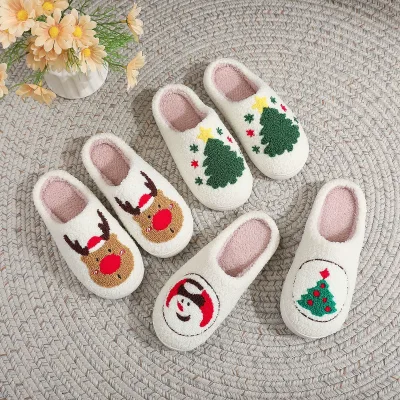
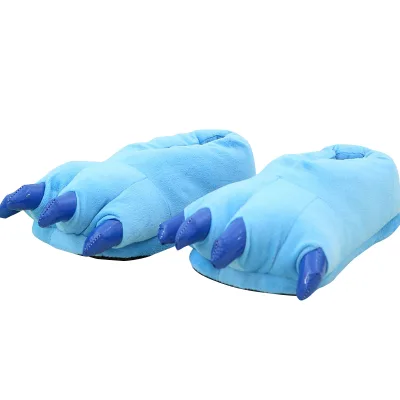
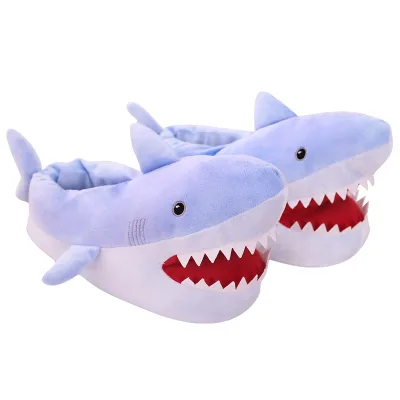
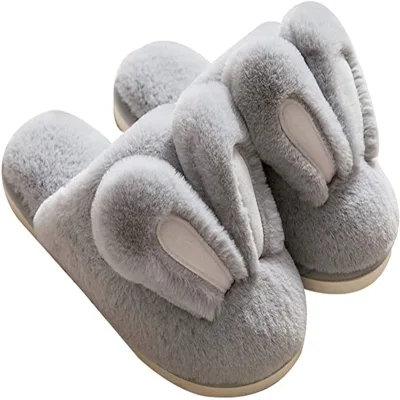
Product attributes observed include unisex designs, flat heel heights, and specific sole types such as EVA or TPR. Materials frequently cited are velvet, polyester velour, and cotton fabric linings, with colors ranging from white to multi-color options. Some listings highlight custom design capabilities, including embroidered patterns or animal-themed motifs, which may appeal to niche markets. These variations require careful specification management to ensure that the final product matches the buyer’s aesthetic and functional requirements precisely.
Technical Specifications to Verify
Verifying the exact composition of the upper and sole materials is paramount for quality assurance. While many listings specify EVA soles for their lightweight and anti-slip properties, others may use TPR or mixed materials. Buyers must confirm the plush length and density, as these factors directly influence comfort and thermal insulation. Additionally, the lining material, often cotton fabric, should be checked for breathability and skin-friendliness, especially for products intended for prolonged indoor use or spa environments.
Packaging standards also vary, with options including individual polybags, carton packing, or custom configurations based on client requests. Standard dimensions such as 43x34x29 cm for cartons or 29x11 cm for individual items affect logistics planning and storage efficiency. Buyers should verify size ranges, which typically span from medium to specific numerical sizes like 36-42, to ensure inventory alignment with target demographics. Clear specification sheets are essential to prevent discrepancies between ordered and delivered goods.
Compliance and Safety Documentation
Safety certifications are critical, particularly for products marketed towards children or used in hospitality settings. Listings may reference standards such as CE, EN71, ASTM, and CPSIA, which are relevant for toys and certain consumer goods. However, buyers must verify if these certifications apply specifically to the slippers or if they are generic supplier credentials. For adult footwear, chemical safety and flammability standards may differ, requiring specific test reports to ensure regulatory compliance in the destination market.
Documentation should also include material safety data sheets (MSDS) for any adhesives or dyes used in the plush and EVA components. Buyers should request evidence of compliance with REACH or other regional chemical regulations to mitigate risks associated with harmful substances. Clear communication with suppliers regarding applicable standards for the specific product type is necessary to avoid customs delays or legal liabilities. Proactive verification of these documents ensures that the sourced products meet all legal and safety requirements.
Cost Drivers and Commercial Terms
Several factors influence the final cost of hand-made EVA plush slippers, including material selection, customization complexity, and order volume. Custom designs, such as embroidered logos or unique animal motifs, typically incur higher setup costs and longer production times. Buyers should negotiate clear terms regarding sample fees, which may be refundable upon bulk order placement, and production lead times, which can range from 25 to 35 days for large orders. Understanding these cost drivers helps in budgeting and planning inventory replenishment cycles effectively.
Shipping methods, whether ocean or air freight, significantly impact total landed costs. Door-to-door services may offer convenience but come at a premium, while standard freight requires additional logistics management. Buyers should evaluate the trade-off between shipping speed and cost, considering the urgency of their stock requirements. Additionally, payment terms and currency exchange risks should be addressed in contracts to protect against financial fluctuations. Transparent commercial terms ensure predictable costs and smoother transaction processes.
Supplier Qualification and Quality Control
Evaluating supplier capabilities involves assessing their production capacity, quality control systems, and customization expertise. Suppliers offering unlimited sample revisions demonstrate flexibility but may have varying turnaround times. Buyers should verify the supplier’s experience with hand-made processes and their ability to maintain consistency across large batches. Requesting references or case studies from similar clients can provide insights into the supplier’s reliability and product quality over time.
Quality control protocols should include pre-production samples, in-line inspections, and final random inspections before shipment. Buyers must define acceptable quality limits (AQL) for defects such as stitching errors, material inconsistencies, or sole detachment. Establishing a clear communication channel for addressing quality issues is essential for maintaining product standards. Regular audits or third-party inspections may be warranted for high-volume orders to ensure ongoing compliance with agreed-upon specifications.
Long-Term Procurement Checks
Sustaining a successful sourcing relationship requires continuous monitoring of supplier performance and market trends. Buyers should track key performance indicators (KPIs) such as on-time delivery rates, defect rates, and responsiveness to issues. Regular feedback loops with suppliers can help identify areas for improvement and foster collaboration. Additionally, staying informed about changes in material costs or regulatory requirements allows for proactive adjustments to sourcing strategies and product specifications.
Long-term contracts may offer price stability and priority production slots, but they should include flexibility clauses for volume adjustments. Buyers should periodically review supplier certifications and compliance documentation to ensure ongoing adherence to safety and quality standards. Diversifying the supplier base can mitigate risks associated with single-source dependencies. By maintaining a strategic approach to procurement, buyers can secure high-quality hand-made EVA plush slippers that meet their evolving business needs.
FAQs
What materials are used for the upper and sole?
The upper is made of plush or polyester velour, while the sole is typically TPR or EVA. These materials provide comfort and durability for indoor use. Some models feature anti-slip soles suitable for hotel rooms or spa environments. The lining often uses cotton fabric for added warmth.
Can I customize the design and packaging?
Yes, customization is available for design and packaging. You can request specific embroidery or custom toy designs. Packaging options include one pair in a polybag with twelve pairs per carton, or custom packing per client request. This flexibility supports various branding needs for bulk orders.
What is the sample time and production lead time?
The sample time is typically five to eight days, with unlimited revisions available. Production time ranges from twenty-five to thirty-five days after sample approval. This timeline applies to hand-made items and ensures quality control before shipping via ocean or air freight to your location.
Which certifications do the products hold?
Products hold CE, EN71, ASTM, and CPSIA certifications. These standards ensure safety for children over eight years old and general consumer use. The certifications apply to the plush and EVA materials used in the slippers, making them suitable for travel and hotel applications globally.
What sizes and colors are available?
Available sizes range from 36 to 42, covering medium to large fits. Colors include white and other options like #1 or #2. The slippers are designed as unisex footwear suitable for winter or spring and autumn seasons. Specific models like LB-1012 offer these standard sizing options.
Are the slippers disposable or reusable?
The slippers are non-disposable and designed for repeated use. They are hand-made with durable materials like velvet and EVA soles. This construction makes them ideal for hotel rooms, spas, and travel where longevity is required. They are not single-use items but rather durable footwear.
What is the minimum order quantity for these slippers?
The minimum order quantity ranges from one to two thousand pairs depending on the supplier and model. Single pairs are available for sampling, while bulk orders follow standard carton packing. This flexibility allows buyers to test the market before committing to larger production runs.
How are the products shipped and delivered?
Shipping is available via ocean or air freight with door-to-door service options. The products originate from China and are packed in cartons or polybags. Delivery times depend on the chosen method and destination, ensuring efficient logistics for international buyers sourcing hand-made EVA plush slippers.